Northwest Florida Is Filling a Critical Need for Aviation Workforce
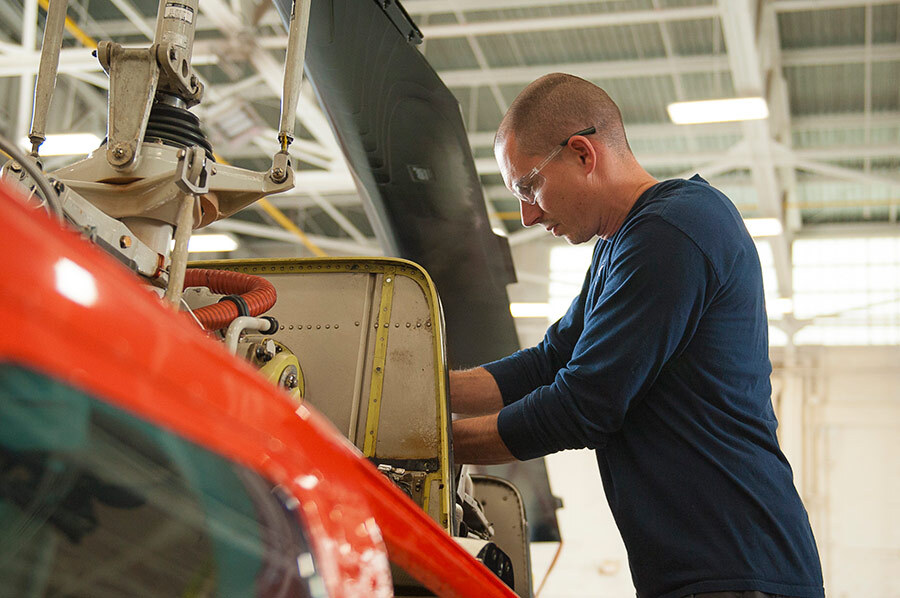
Aviation and aerospace companies deciding where to locate or expand are running into a labor problem before they get to incentives. The U.S. is short roughly 17,000 certificated aircraft mechanics today, a gap that could nearly double to 30,000 within two years, according to the Aviation Technician Education Council. Boeing's latest Pilot and Technician Outlook puts the longer-term need at 123,000 new maintenance technicians across North America through 2044. About 40% of mechanics currently on the job are over 60, and the average age in the field is 57. For site selectors, workforce availability is no longer a secondary question.
Santa Rosa County already answers a meaningful share of it. NAS Whiting Field, one of the Navy's two primary pilot training bases, sits in the county alongside Whiting Aviation Park, where Leonardo is building a technical support center tied to its TH-73A helicopter training contract. Regionally, NAS Pensacola's Naval Air Technical Training Center graduates roughly 15,000 students a year, and more than 400 aerospace and aviation companies, including 23 manufacturing plants, already operate across Northwest Florida, employing over 7,500 people in installation, maintenance, and repair roles. That is the existing base a new employer locating here would draw on.
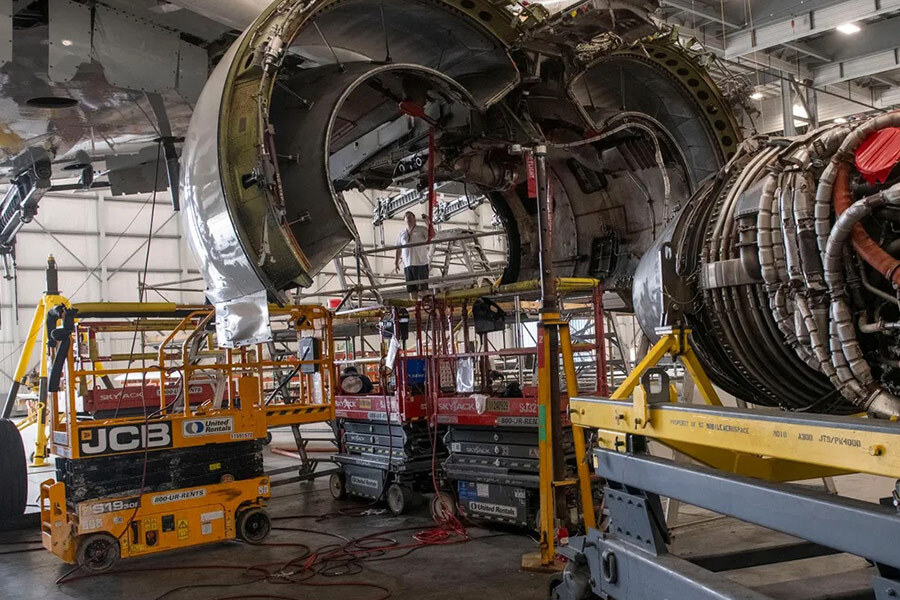
Pensacola State College is adding a civilian pipeline on top of that base. Its Aviation Airframe and Powerplant Mechanics Program is backed by a $4.41 million Job Growth Grant Fund award from the state and a 34,000-square-foot training facility at Pensacola International Airport, which broke ground in April 2025. Students work toward FAA certification through two 1,350-hour certificate tracks, training on a flight line alongside aircraft mock-ups and small planes rather than in a standard classroom. “Business is booming right now in workforce, and aviation mechanics is one of those programs where there's just significant shortages in industry,” says Mike Listau, Dean of Workforce Education at Pensacola State College. “This is more than a training program. It's more like a launchpad into a great career.”
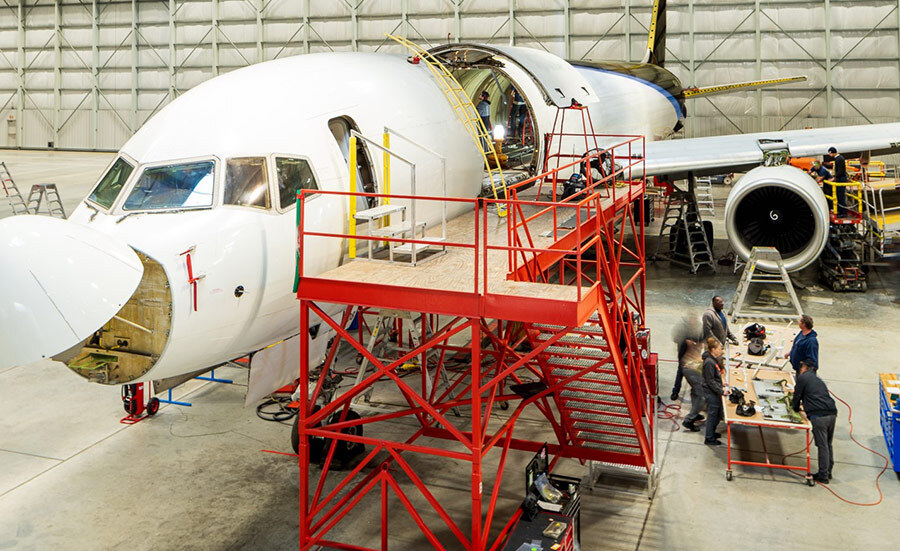
Listau believes the program is becoming a piece of infrastructure the region can point to, not just a course catalog entry. “Pensacola State College's Aviation Maintenance Technology program is quickly becoming a cornerstone of the region's aviation workforce pipeline,” he said. “In less than two years, we've experienced tremendous enrollment growth, and our industry partnerships have created a direct connection between the classroom and high-demand careers. The demand from employers has been exceptional, and we're already seeing graduates receive job offers before they complete the program. By working alongside experienced industry professionals, our students gain real-world experience that prepares them to contribute immediately to the aviation industry upon their graduation and FAA certification earned through our program.”
Graduates hired before they finish the program is the clearest evidence that the pipeline is already working for employers in the market today. Bill Hafner of ST Engineering, an aircraft maintenance provider that supports major air carriers across the U.S. and globally, says the company needed “subject matter experts in the area of education,” and found that partner in PSC. That relationship lines up with the college's public discussions with ST Engineering about a joint Aviation Maintenance Training Academy. “These people have rolled into this program and they really do seem to be a notch above,” Hafner says of PSC's graduates. “They're interested, they have a desire, they want to do this, and they're putting their heart and soul into it.”
For a company weighing where to locate an aviation or aerospace operation, that is the case Santa Rosa County is making: a military training pipeline already in place, an employer base already operating here, and a civilian program producing FAA-certified mechanics on a track fast enough that some are hired before they graduate.